Why Can't You Just Make Up Sleep Later During Fight Week?
Veterans of fight week know the brutal truth: sleep is not flexible. Every fighter, trainer, and corner team has heard the optimistic but misguided, “Don’t worry, you’ll catch up on sleep after weigh-ins” or even after the fight. But here’s the cold, hard reality — you can’t simply make up sleep later during fight week without serious consequences. The complex interplay between fight week scheduling chaos, weight cut dehydration, rehydration physiology, circadian rhythm disruption from time zone changes, and the elusive nature of sleep debt makes “sleep catching up” far from simple.
Sleep Debt and Recovery Limits: What Does the Rulebook Say?
Before diving into why sleep can’t just flex around fight week demands, let’s get one thing clear: the science of sleep has hard rules. The concept of sleep debt is well established in sleep research literature and confirmed repeatedly by labs worldwide. Sleep debt refers to the cumulative effect of not getting enough sleep. Unlike some casual advice you hear at gym locker rooms, sleep debt does not just vanish with a single night of “extra sleep.”
Research consistently shows that after significant sleep deprivation, a couple of nights of extended rest can partially reverse cognitive impairment but rarely restores full mental, hormonal, and physiological function immediately. The National Sleep Foundation recommends consistent nightly sleep — not inconsistent, patchwork rest — as the best recovery strategy.
Simply put, the rulebook is clear: sleep lost in fight week cannot be fully made up later without lingering effects on performance, reaction time, and physical recovery.
Fight Week Scheduling Chaos and Sleep Disruptions
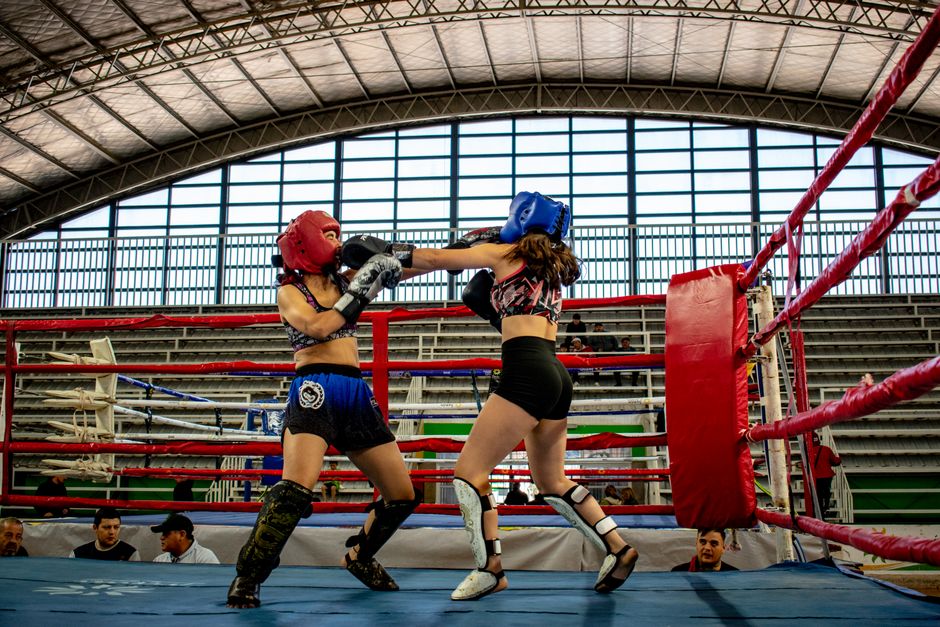
Anyone who has been inside a fight week camp knows the chaos is real — and the timing is brutal. Media days, multiple weigh-in events (official, hydration tests, second chances), press conferences, sponsor photo shoots, and intense training sessions are all squeezed into a frenetic 5-7 day window.
Typical fight week schedules might look like this:
- Friday 7:00 am: lined up for blood work
- Friday 2:00 pm: media day (several hours under bright lights, noise)
- Saturday 10:00 am: sponsored workouts and final hours of weight cut
- Saturday 4:00 pm: official weigh-ins, faces in front of cameras and fans
- Saturday late night: rehydration carefully monitored by team
- Sunday morning and afternoon: media interviews and TV show calls
- Sunday night: final preparations, nerves running high
- Monday 10:00 pm: fight walkout and bell rings
This list doesn’t even include the disruptions from flights and hotels or the late-night adrenaline spikes when nerves kick in. With weigh-ins often held late afternoon or early evening, fighters are thrown off normal circadian rhythms, limiting the ability to “just sleep earlier or later” on nights before or after.
Weight Cut Dehydration and Fragmented Sleep
By the time weigh-ins occur, most fighters have undergone extreme weight cutting. The process involves dehydration to hit the target weight, followed by dangerous manipulation of food and fluid intake.
At the physiological level, dehydration is a major sleep disruptor. It:
- Increases core body temperature — creating difficulty falling and staying asleep
- Leads to frequent nighttime awakenings due to thirst or cramps
- Triggers higher levels of stress hormones like cortisol, making relaxation hard
- Causes electrolyte imbalances that further disrupt muscle and nerve function
Even in ideal conditions, getting restorative sleep during dehydration is challenging. Combine this with the mental stress of fight week and the constant anticipation of weigh-ins, and fragmented sleep becomes inevitable.
Rehydration Night Physiology and Interruptions
Post weigh-in, fighters attempt to regain weight and fluid through rehydration protocols, often consuming electrolytes, sugars, and water solutions guided by team nutritionists. But the recovery night is far from restful:
- The body’s thirst receptors tend to spike with rapid fluid intake, leading to multiple bathroom trips overnight
- Electrolyte shifts can cause muscle twitching or cramps, disturbing sleep stages
- Over-hydration or maladjusted electrolyte balance risks hyponatremia symptoms like headaches and confusion
- Adrenaline and cortisol levels remain elevated from stress and nervous energy
Given these factors, it's common to see fight week athletes experiencing heavily segmented sleep. Rather than one solid 7-8 hour block, their sleep is broken into multiple shorter periods, which limits the restorative quality necessary for peak performance.
Time Zone Shifts and Circadian Disruption
Many fighters cross 2, 3, or 4 time zones to arrive at the fight city. When you factor in travel days, jet lag plays a massive role in fight week sleep challenges. The body’s circadian rhythm — the internal clock regulating sleep-wake cycles — can be off by several hours, especially if flights arrive mid-afternoon or evening on fight week start.
The effects on fighters include:
- Inability to fall asleep or waking up too early
- Reduced REM and deep sleep phases
- Hormonal imbalances impacting recovery and hunger signals
- General grogginess and impaired cognitive function during camp activities
Even aggressive plans involving light therapy, melatonin supplements, or strategic naps have limits. The physiological clock can only adjust so quickly, and improper timing may worsen sleep debt instead of repairing it.
Batch Lab Reports and Certificates of Analysis (COA) — Why They Matter to Sleep and Supplements
As someone who hates vague supplement claims like “you will sleep better instantly,” it’s essential to highlight the importance of batch lab reports and Certificates of Analysis (COAs) when fighters or their teams reach for sleep aids during fight week recovery.
Many products claiming rapid sleep recovery lack transparency in active ingredient quality and purity. Without an independently verified COA, you gamble with purity, dosage, and the presence of stimulants or banned substances. This is especially crucial during fight week where anti-doping vigilance is high.
Effective sleep recovery requires scientifically backed ingredients at the correct doses — something only trustworthy COA-backed supplements can reliably provide. Otherwise, athletes risk suboptimal recovery or worse: failed drug tests that can derail careers.
YouTube Expert Interview: Fighter Sleep Science Explained
If you want a deep dive from an expert boxing physiologist and sleep researcher who specializes in combat sports, check this excellent YouTube interview where the science behind sleep debt, dehydration effects, and circadian disruption is broken down in clear terms:
Summary Table: Why Sleep Can’t Be “Made Up” Later During Fight Week
Factor Why It Disrupts Sleep Impact on Sleep Debt and Recovery Fight Week Scheduling Odd timing of media days, weigh-ins, and press events Limits consistent sleep timing; fragments rest Weight Cut Dehydration Elevated core temperature, thirst, cramps Fragmented and poor quality sleep increases sleep debt Rehydration Night Bathroom trips, electrolyte shifts, elevated stress hormones Interrupts deep and REM sleep phases reducing recovery Time Zone Shifts Circadian rhythm misalignment Delayed sleep phase and difficulty adjusting worsen debt Supplement Risks Without COA Unknown ingredient purity or banned substances Compromises quality of sleep aids; risks failed testsFinal Thoughts
So next time you hear the “just make up sleep later” refrain during fight week, remember the unequivocal truth: sleep debt accumulates, recovery has limits, and fight week creates a perfect storm against restful, restorative sleep. The fight game demands huge mental sharpness and physical readiness, https://varimail.com/articles/what-does-a-schedule-built-to-destroy-sleep-look-like-in-fight-week/ which rest alone can’t fully restore once lost. The best bet? Plan fight week schedules carefully, respect the physiological rules of sleep and hydration, and avoid shortcuts with vague supplement claims without proper COA validation.
Fight week is a battlefield where every minute of quality sleep counts. And sometimes, it simply can’t be “made up” later.